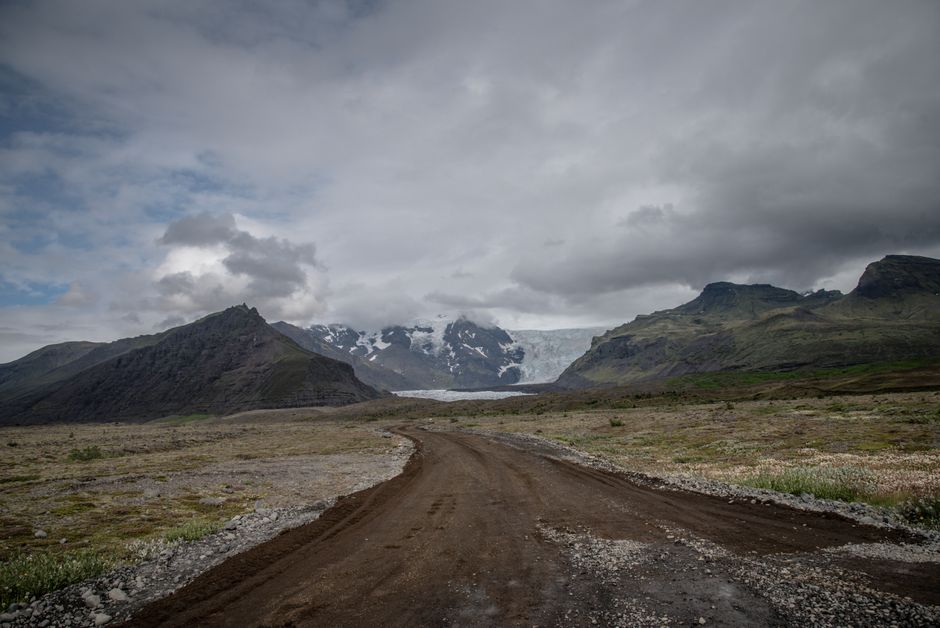
Exploring Iceland’s dramatic landscapes—from volcanic black sands to glacial lagoons—often feels like a once-in-a-lifetime adventure. However, the island nation is also known for its high living costs, which can quickly add up for travelers. With thoughtful planning and a willingness to adapt, it’s possible to experience Iceland’s wonders without straining your wallet. This guide outlines practical strategies for saving money on accommodation, food, and transportation, based on insights from budget-conscious travelers and local resources.
Before diving into specifics, it’s essential to understand that Iceland’s expenses are influenced by its remote location and reliance on imports. Prices for everyday items can be significantly higher than in many other countries. Yet, with a flexible approach and a focus on local customs, you can make deliberate choices that keep your budget in check. The following sections explore proven methods to reduce costs while maintaining a rewarding travel experience.
Accommodation Savings: From Hostels to Campsites
Where you rest your head often takes up the largest portion of a travel budget. In Iceland, traditional hotels can be expensive, especially in Reykjavik and popular tourist areas. Fortunately, a range of alternatives exist that offer comfort without the premium price tag.
Hostels remain a reliable choice for budget travelers. Many hostels in Iceland provide private rooms in addition to dormitories, catering to those who prefer more privacy. Booking directly through hostel websites or using aggregator sites that compare prices can yield significant savings, particularly during off-peak seasons. Additionally, some hostels offer discounted rates for extended stays or for guests who participate in work-exchange programs, where a few hours of daily work cover the cost of a bed.
For the adventurous, camping is another viable option. Iceland has numerous officially designated campsites with basic facilities like toilets, showers, and sometimes cooking areas. Camping not only slashes accommodation costs but also allows you to stay closer to nature, often in stunning locations. To maximize savings, consider purchasing a camping card, which provides access to multiple campsites across the country for a flat fee. However, it’s crucial to respect local regulations and only camp in designated areas to preserve the environment.
Another approach is to use home-sharing platforms, which connect travelers with locals renting out spare rooms or apartments. This can be particularly cost-effective for groups or families, as the cost per person decreases. Moreover, staying in a residential area provides access to kitchen facilities, enabling you to prepare your own meals—a significant advantage for budget-conscious travelers. Keep in mind that availability and prices fluctuate with demand, so booking well in advance is advisable.
Flexibility with your travel dates and accommodation type can unlock substantial savings. Consider shoulder seasons (May and September) when prices are lower and crowds are thinner.
Eating Well on a Budget: Grocery Stores and Local Markets
Dining out in Iceland can quickly consume your daily budget, with restaurant prices often exceeding those in the US. However, with a bit of creativity, you can enjoy delicious meals without overspending. The key is to mix supermarket staples with occasional local treats.
Icelandic grocery stores, such as Bónus and Krónan, offer a wide range of products at more reasonable prices than convenience stores or tourist-oriented eateries. These stores typically have in-house bakeries and delis, where you can find fresh bread, sandwiches, and salads at affordable prices. Buying breakfast items like yogurt, granola, and fruit can set you up for the day. Additionally, many stores sell ready-to-eat meals, such as soups and lasagna, which can be heated in hostel kitchens or campsite facilities.
For lunch, consider packing a picnic. Many scenic spots have designated picnic areas, and enjoying a sandwich while overlooking a fjord is both budget-friendly and memorable. If you crave a warm meal, food trucks and gas station grills often serve Icelandic specialties like lamb soup or fish and chips at lower prices than sit-down restaurants. Some gas stations even offer free coffee refills, which can be a welcome perk on long drives.
To experience local cuisine without breaking the bank, try the ‘daily special’ (dagens) at cafés or bakeries, which typically includes a soup or sandwich and a drink at a reduced price. Alternatively, visit the local swimming pools, which often have cafeterias that are open to the public and offer reasonably priced refreshments. These establishments are also excellent places to interact with locals and learn about Icelandic culture.
Getting Around: Public Transport, Ridesharing, and Rental Hacks
Transportation in Iceland can be a significant expense, particularly if you plan to rent a car. However, there are several strategies to reduce these costs while exploring the island.
For those staying primarily in Reykjavik, the public bus system, Strætó, is efficient and affordable. A single fare is valid for a certain time and allows transfers, but if you plan to use the bus multiple times, consider a travel card, which offers unlimited rides for 24 hours or more. Buses also serve many popular tourist destinations, though schedules may be limited in rural areas. Combining bus travel with walking can keep your transport budget minimal.
Ridesharing platforms, such as Samferd, allow drivers and passengers to share costs for trips across the country. This can be a great way to reach remote attractions without the expense of a rental car. Additionally, some tour companies offer day trips from Reykjavik that include transportation, which might be more economical than renting a vehicle if you only plan to see a few sights.
If you do decide to rent a car, booking early and comparing prices from multiple agencies is crucial. Consider smaller local companies, which sometimes offer better rates than international chains. Also, be mindful of fuel costs, which are high in Iceland. To save on gas, plan your routes efficiently, use cruise control on highways, and avoid unnecessary idling. Additionally, check if your rental includes unlimited mileage, or calculate whether a mileage cap might be more cost-effective for your itinerary.
Another money-saving tip is to use the ‘rent-a-car’ service for a few days only, then switch to public transport or tours for the remainder of your trip.
Free and Low-Cost Activities: Nature’s Splendor & Cultural Gems
Iceland’s biggest attractions—waterfalls, geothermal areas, glaciers, and black sand beaches—are almost entirely free to visit. With a bit of planning, you can fill your days with breathtaking sights without spending a dime on entrance fees. National parks like Thingvellir are open to all, and hiking trails are well-marked and accessible.
To maximize your experience, research the locations and plan a route that minimizes backtracking. Many natural wonders are located along the famous Golden Circle or the South Coast, which can be explored via self-drive or with affordable group tours. If you’re not renting a car, you can join a day tour that bundles multiple stops, often at a price that beats piecing together individual transfers.
In Reykjavik, many museums and cultural institutions offer free admission on certain days of the week. The city also boasts numerous art galleries, concert venues, and public pools. Visiting a geothermal pool, such as the one in Laugardalur, is not only a quintessential Icelandic experience but also a relatively inexpensive way to relax after a day of exploration. Many pools have varying water temperatures, steam rooms, and even waterslides, making them a great value for families.
Additionally, keep an eye on local event calendars for free festivals, concerts, and community gatherings, particularly during the summer months. These events offer a chance to immerse yourself in Icelandic culture without spending a fortune.
Planning and Booking: Seasonal Timing and Bundle Deals
One of the most effective ways to save money is to plan your trip during the off-season. Flights and accommodation are often significantly cheaper from October to April, excluding the Christmas holidays. While the weather is colder and days are shorter, you’ll be rewarded with smaller crowds and the chance to see the Northern Lights. If your schedule is flexible, consider traveling in early May or late September, when the weather is still mild but peak prices haven’t yet kicked in.
When booking flights, use fare comparison websites and consider flying into Keflavik, which serves as the main international gateway. Booking well in advance can secure lower fares, but also look out for error fares or special promotions. For accommodation, consider booking refundable rates and checking again closer to your travel date, as prices sometimes drop if occupancy is low.
Bundling your flight and rental car through a travel agency might unlock discounts that aren’t available individually. Similarly, tour operators often offer package deals that include several excursions at a reduced rate compared to booking each separately. Even if you plan independently, it’s worth calculating whether a combination package would be more economical.
Finally, consider using a travel rewards credit card to earn points on your purchases, which can be redeemed for future travel expenses. Just be sure to pay off your balance each month to avoid interest charges that could negate any savings.